Short answer
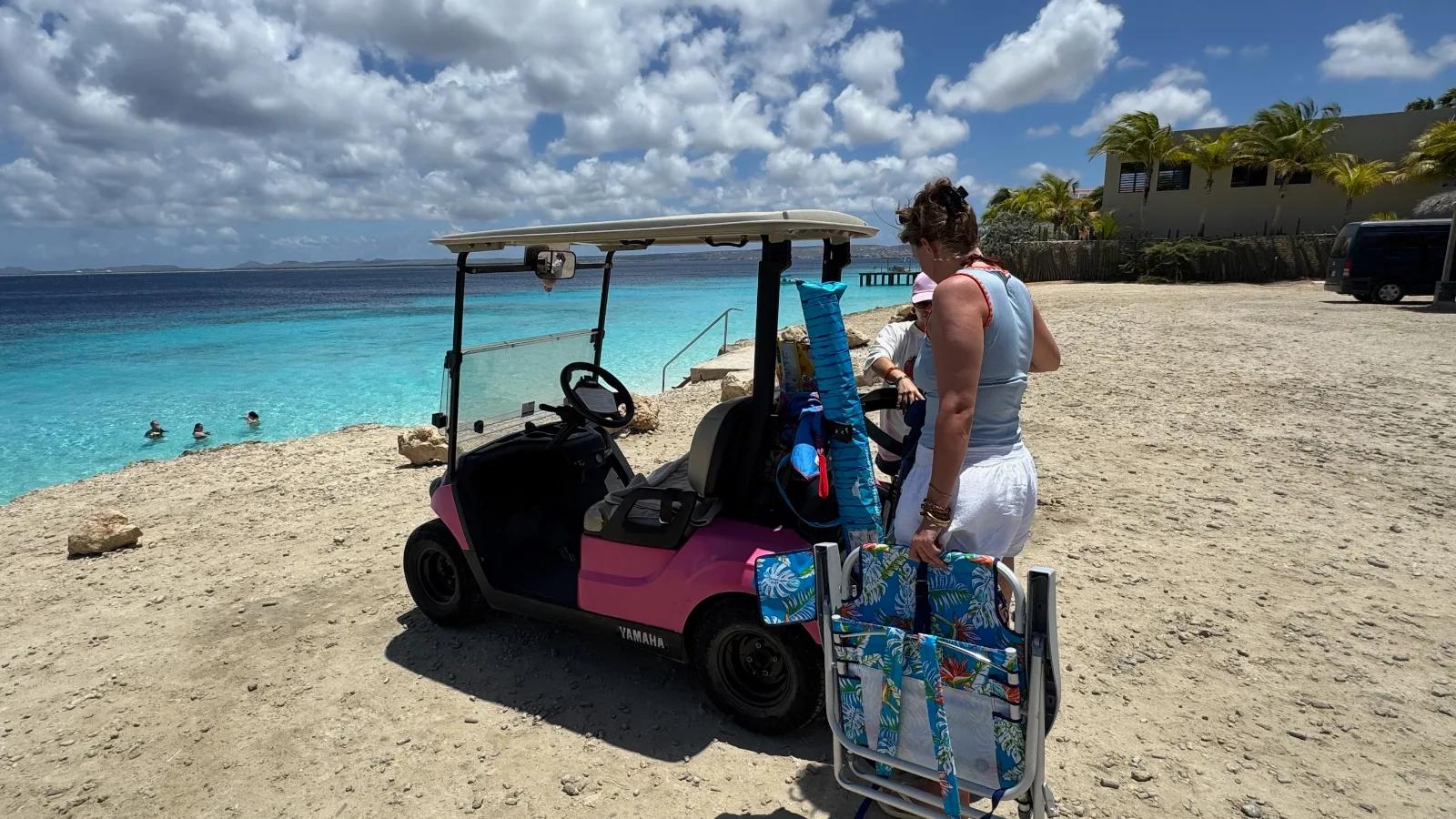
Start with a short beach visit appropriate to age, heat and carrying distance. Bring care supplies, water and food stored appropriately. Plan shade and breaks and assign active water supervision. Change the program when wind, rain or tiredness makes a relaxed visit impractical for the family.
Keep the first stop small
Choose a short, manageable beach visit to see how the family handles heat, ground conditions and transport. Do not start with the hardest access and a full-day program. A place near the car may be more practical than a famous bay with steps or a long carrying route.
Bring care supplies, spare clothing, drinking water and appropriate food. Store feeding supplies safely and at the required temperature according to their instructions. Pack small bags by task: changing, eating and swimming. This avoids unloading the entire beach setup whenever something is needed.
Shade and supervision are separate jobs
Plan protection and breaks before anybody becomes tired. An umbrella does not replace supervision near water. Agree which adult is watching a child, even during play close to shore. A mask or buoyancy aid does not establish swimming ability.
Alternate outdoor activities with rest at your accommodation. Rain, wind or unsuitable water entry are valid reasons to change the day. A short walk once safe, or a quiet indoor game, may suit the family better than searching for another beach at all costs. Let the child's needs set the pace.
Last checked on 19-11-2026
More questions about Who it’s for →Was this helpful?
Question not listed?
Ask us on WhatsApp