Bonaire's Beaches: Sand, Coral, and Serene Shores
Where to Find Bonaire's Beaches?
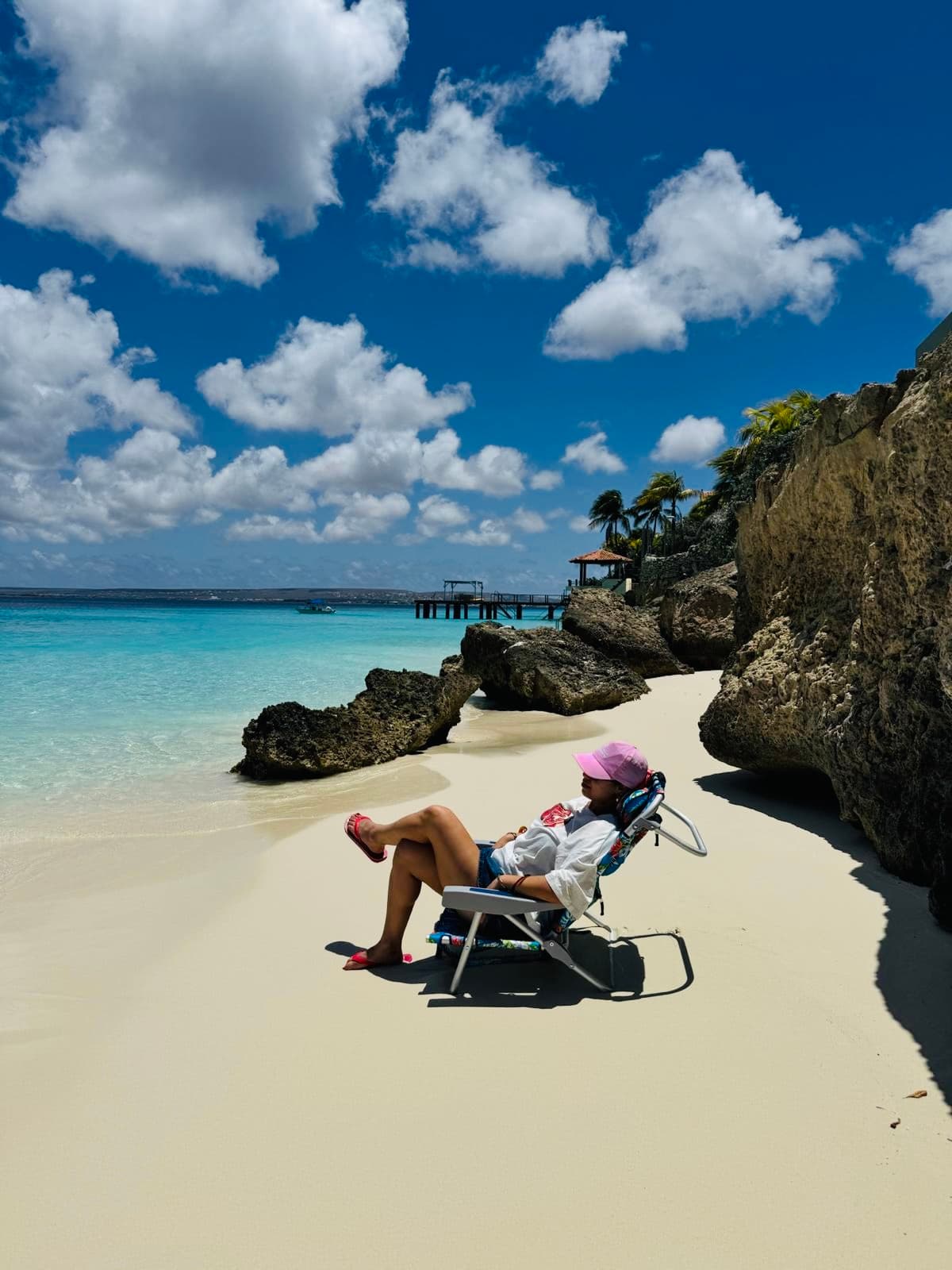
Bonaire's coastline isn't a continuous stretch of white sandy beaches. And that's exactly its allure. The coast here feels more intimate, wilder, and directly linked to the vibrant reef that cradles the island. What you will discover are sheltered bays, fascinating stretches of weathered coral, and just enough soft sandy spots inviting you to spread out your towel.
The Accessible West Coast
Along the island's west side, its leeward coast, the sea remains almost always calm. Here, you'll find most of the easy-access spots to enter the water. It's perfect for an afternoon of swimming or snorkeling.
Te Amo Beach: Located conveniently close to the airport, this is a popular sandy beach. Its shallow, crystal-clear water makes it ideal for families. The food trucks just across the road offer a casual lunch option with your toes in the sand, often with planes flying low overhead.
Bachelor's Beach: Discover this small, intimate sandy cove nestled at the base of a low cliff. You'll reach it via a short set of stairs. It’s a wonderfully secluded spot where you can quickly feel like you've found your own private bay.
Donkey Beach: Heading north along the coastal road, you’ll discover several small sandy patches shaded by trees, collectively known as Donkey Beach. It’s not one defined stretch, but rather a series of laid-back spots where you can simply park your car, unfold a beach chair, and stroll right into the water.
The Crossing to Klein Bonaire
For that classic, uninhabited island vibe, hop on a water taxi to Klein Bonaire. Here, you'll find No Name Beach, a breathtaking strip of pristine white sand set against a backdrop of deep blue water. There are no facilities here, just a few simple shaded areas. It's pure and untouched. Make sure to pack a large cooler, because you'll truly be away from it all.
The Rugged Side
The beaches on the north and east coasts tell a completely different story. Here, the wind and open sea reign supreme.
Playa Chikitu: Within the Washington Slagbaai National Park, you'll discover this impressive bay. Due to powerful currents and high waves, swimming here is dangerous and prohibited. However, its raw beauty, the wind-sculpted sands, and the chance to spot sea turtle nests (from a respectful distance) make it well worth a visit. It's less about swimming and more about experiencing the raw power of nature.
Sorobon Beach (Lac Bay): Technically a beach, it's primarily famous for the shallow, warm waters of Lac Bay, a true windsurfing paradise on Bonaire's wild east coast. You can walk hundreds of meters into the bay here. The sand is soft, the atmosphere is incredibly relaxed, and it’s the perfect spot to watch the surfers' impressive maneuvers.
The Best Time for a Beach Day
On Bonaire, the sun shines almost constantly, making every day a perfect beach day. Yet, each part of the day offers its own unique charm. Mornings are ideal for those seeking tranquility, when the light is soft and you often have the beach all to yourself. Mid-day, when the sun is at its peak, the water offers an irresistible cool-down. The late afternoon bathes everything in a golden glow, a beautiful prelude to sunset.
A particularly special time is Easter Weekend, when local Bonairian families traditionally camp out on the beaches. It's a vibrant and truly local scene that beautifully showcases the deep connection between the islanders and the sea.
Smart Packing for Your Beach Day
A little preparation will make your day on Bonaire's coast even better. Since many beaches are natural and come without extensive facilities, it's wise to bring a few essentials with you.
Water Shoes: Many beaches feature a mix of sand and washed-up coral or pebbles. Water shoes will make it much more comfortable to walk in and out of the water.
Sun Protection: The sun here is powerful. A beach umbrella is certainly not an unnecessary luxury, along with a wide-brimmed hat and reef-safe sunscreen.
Food and Drinks: A well-stocked cooler with plenty of water, sodas, and snacks is essential. Beyond a few specific spots, you won't find beachside concessions.
Leave No Trace: Please take all your trash with you when you leave. Bonaire's beaches are part of the Bonaire National Marine Park and home to many animals, including sea turtles that lay their eggs here.
The sand on Bonaire's beaches isn't just ordinary sand. Much of it is finely ground coral, a natural byproduct of the diligent parrotfish grazing on the reef. The beach itself is a living boundary, a constant exchange between land and sea. Every pebble, every piece of coral tells a story of the reef. By being here, and by respecting this unique environment, you become a part of that ongoing story. And that's a feeling that will stay with you long after your visit.