Birdwatching on Bonaire: a guide to the island's birds
Where to go birdwatching on Bonaire
Imagine the distant shimmer of pink flamingos against a vast salt pan, or the raucous call of a yellow-shouldered parrot echoing through dry forests. While Bonaire’s vibrant underwater world often steals the spotlight, its terrestrial and coastal habitats sing with a different kind of life, the island’s incredible birdlife. You don’t need to be an expert to appreciate this aerial ballet; you just need to know where to look, and listen.
Pekelmeer Flamingo Sanctuary
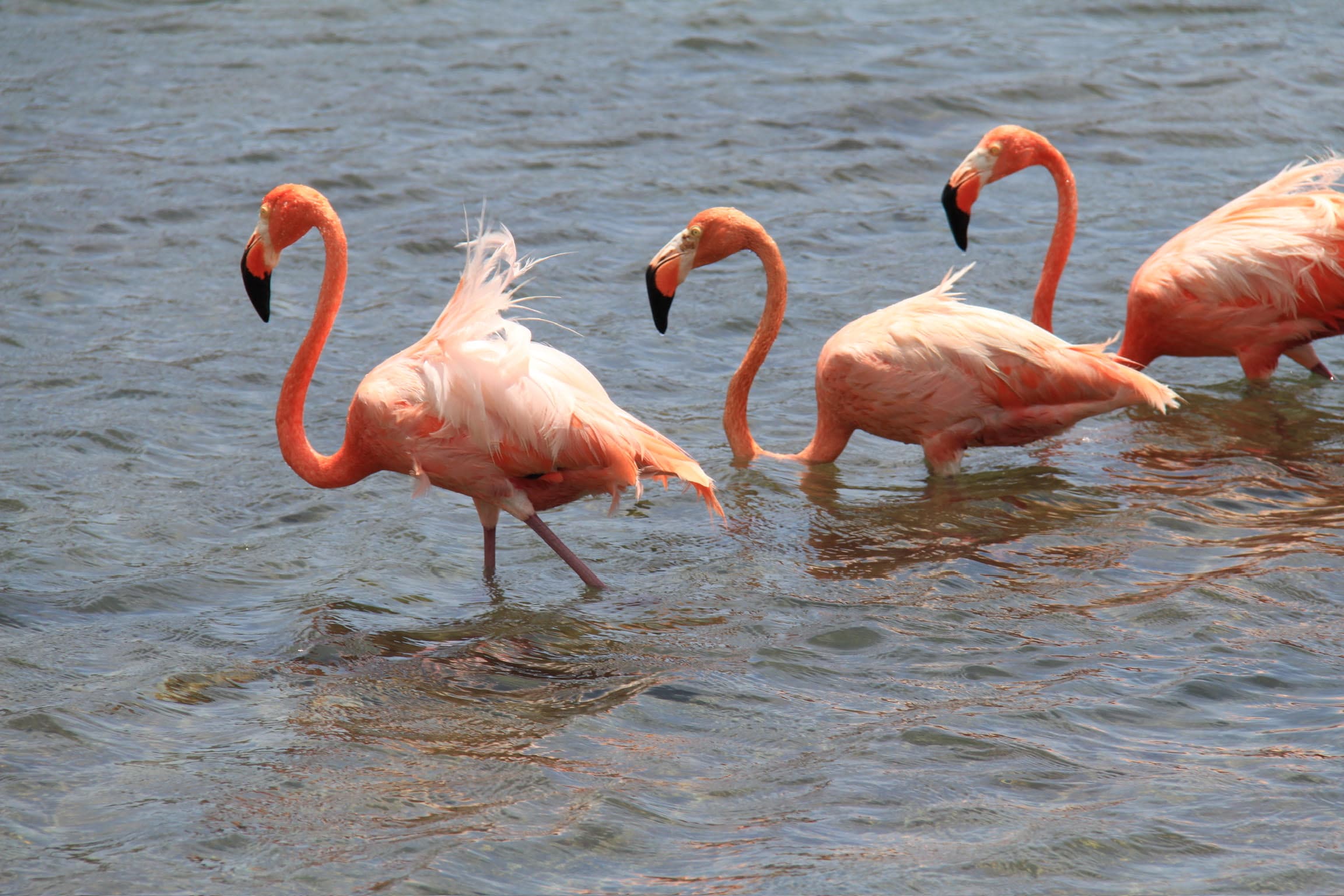
This is the iconic image of Bonaire: a vast, shimmering salt pan, stark white against a piercing blue sky, with a distant haze of pink. The Pekelmeer is one of only four places in the world where the Caribbean flamingo breeds. While the sanctuary itself is off-limits to protect the nesting grounds, you can see thousands of these elegant birds from the road that runs alongside the salt pans in the south. The contrast of their soft colour against the industrial salt pyramids and historic slave huts is a powerful sight. You’ll see them feeding, their long necks gracefully filtering the brine for shrimp and algae—the source of their famous colour.
Washington Slagbaai National Park
For a completely different environment, head north into the rugged landscapes of Washington Slagbaai National Park. This protected area of dry forest, cactus scrub, and secluded bays is a haven for land birds. Here, you have the best chance of spotting the Yellow-shouldered Amazon parrot, or lora, a species native to the island. Listen for their raucous calls as you drive or hike the park’s trails. The park is also home to parakeets, crested caracaras (known locally as warawara), and countless smaller birds flitting between the divi-divi trees. The freshwater sources within the park, like Pos Mangel, attract birds from all over the area, making them excellent observation points.
Lac Bay And the mangroves
The calm, shallow waters of Lac Bay are not just for windsurfers. The surrounding mangrove forest is a critical nursery for reef fish and a vital habitat for wading birds. You can often spot herons and egrets stalking patiently in the shallows along the road to Sorobon or Lac Cai. A kayak tour through the mangroves offers an even closer look at this unique ecosystem and its feathered residents, including the tricolored heron and the yellow warbler.
Around Kralendijk and Rincon
You don't always have to venture far. Keep an eye out in the gardens and kunuku (countryside) areas around the towns. Bright yellow birds like the bananaquit, or barika hel, are common visitors to flowering plants. You might also spot the pearly-eyed thrasher and tiny, iridescent hummingbirds darting between hibiscus flowers. Even a quiet morning with a cup of coffee on your porch can turn into a birdwatching session.
When is the best time to see the birds?
Like most wildlife, Bonaire’s birds are most active in the early morning and late afternoon. The cooler temperatures and softer light of these times encourage them to move, feed, and sing. Midday is often quiet, as the heat sends many creatures seeking shade.
While Bonaire’s resident birds can be seen year-round, the island also hosts migratory species. From autumn through spring, you may see an increased number of shorebirds and other visitors stopping over on their long journeys. But no matter when you visit, there is always something to see.
Tips for a good day out
Birdwatching is about patience and observation. A little preparation can make the difference between a fleeting glimpse and a memorable sighting.
Move slowly and quietly. Birds are easily startled. Walk softly and keep your voice low to increase your chances of seeing them behave naturally.
Bring binoculars. This is the single most important tool. A good pair of binoculars brings distant birds into clear view without disturbing them.
Protect yourself from the sun. The Caribbean sun is intense. Wear a wide-brimmed hat, use reef-safe sunscreen, and stay hydrated. Packing a coolbox with plenty of water and some snacks is always a smart move.
Respect their space. Never approach nesting areas or try to feed the birds. This is especially critical at the flamingo sanctuary. Observe from a distance, using the road as your viewpoint. The STINAPA nature tag you purchase for water activities also supports the management of these terrestrial parks.
Listen. Often, you will hear a bird long before you see it. Pause frequently and just listen to the sounds of the scrubland or mangroves. You’ll start to pick out individual calls and songs.
Watching the birds of Bonaire is another way to connect with the island’s wild, untamed spirit. It’s a quiet pursuit that asks for nothing but your attention. In return, it offers a deeper understanding of the delicate ecosystems that make this place so special. The flash of a parrot’s green wings or the silent, collective rise of a flock of flamingos are moments that stay with you, a reminder of the vibrant life that thrives here, both above and below the water.