Lac Bay Bonaire: Wind, water and wild Mangroves
What to do at Lac Bay Bonaire
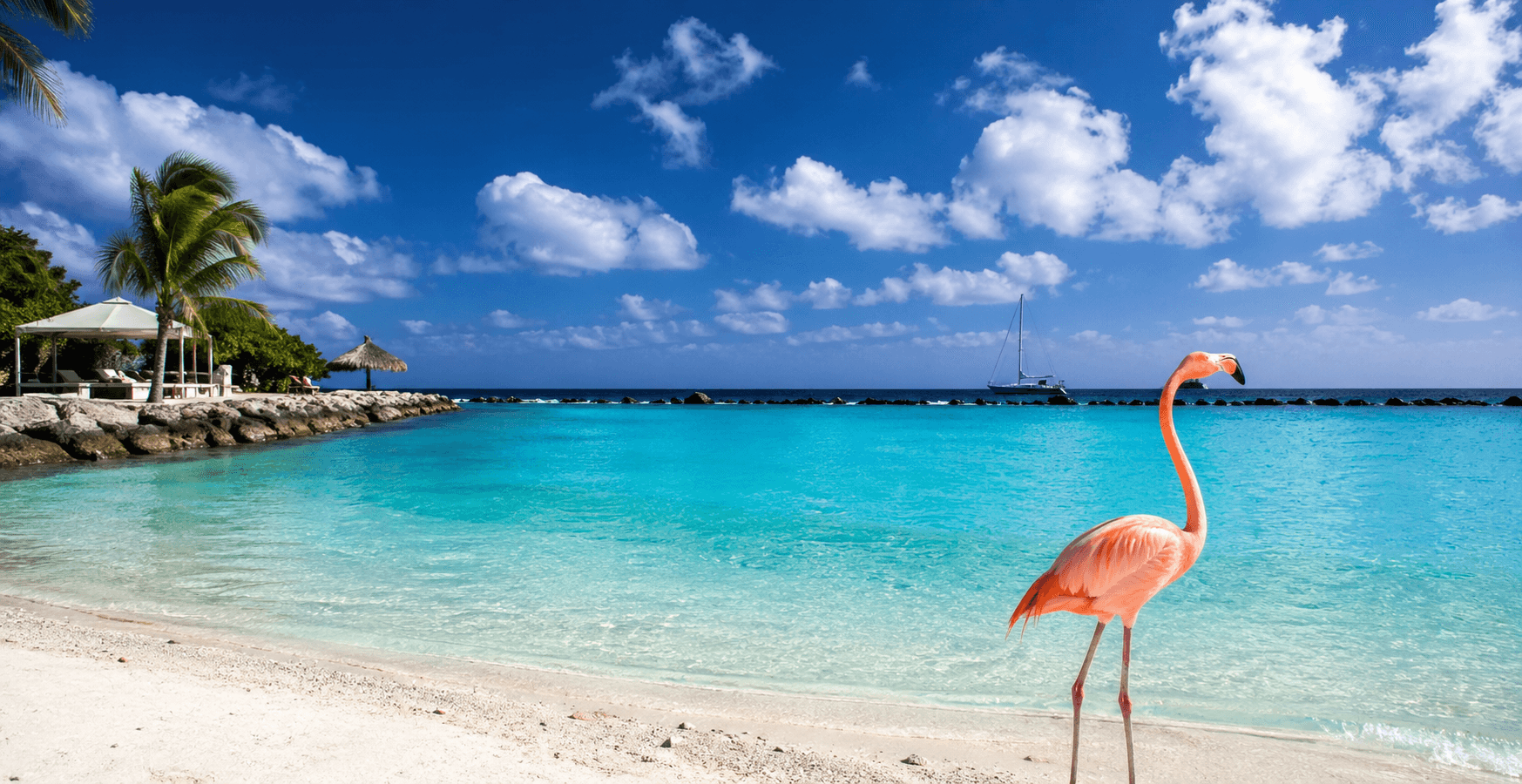
On the southeastern coast of the island you’ll find this huge, protected inlet. At 8 square kilometers, it’s one of the best-preserved mangrove areas in the Caribbean. The bay is shielded from the open sea by a coral reef, creating a shallow, calm lagoon that is a world unto itself. It’s a place of two distinct moods: the vibrant energy of the windsurfers and the quiet stillness of the mangrove forests.
Learn to windsurf (or watch the pros)
Lac Bay is famous for one thing above all: windsurfing. The conditions are near perfect. The steady onshore trade winds provide consistent power, while the shallow, sandy-bottomed water means you can simply step off your board and walk if you fall. It takes the fear out of learning and gives experts a playground to perfect their moves. Several windsurf schools are set up right on Sorobon Beach, offering lessons and gear for all levels. Or, you can just find a spot on the sand with a cool drink and watch the action unfold.
Explore the Mangrove Forest
The other side of Lac Bay is a silent, green labyrinth. The mangrove forest here is a vital nursery for the fish and critters that populate Bonaire’s reefs. The best way to see it is from the water. You can join a guided tour with a solar-powered boat or, for a more personal journey, rent a kayak. Glide through narrow channels where the roots of the red mangroves tangle together, creating a protective canopy. It’s quiet in here. You’ll hear birds, the gentle splash of your paddle, and little else. A simple snorkel set can be interesting here too, to see the juvenile fish hiding among the roots.
Just relax at Sorobon
You don't have to be an athlete to enjoy Lac Bay. The beach at Sorobon has a famously laid-back vibe. It’s less about perfect white sand and more about community. Find a spot for your towel, set up a beach chair, and settle in. The shallow water is perfect for wading and safe for little ones, making it a good destination if you're visiting Bonaire with kids. Pack a Coolbox with some drinks and snacks, and the afternoon is yours.
When to go
Bonaire’s climate is stable, so there’s never really a bad time to visit Lac Bay. However, the winds are the main attraction for many. The trade winds are at their strongest and most consistent from February through August, which is considered the high season for windsurfers. If you prefer a quieter atmosphere, the months of September through November can be calmer, with lighter winds and fewer people on the water.
A few practical tips
Getting there: Lac Bay is about a 20-minute drive from Kralendijk. You’ll need a car to get there, as public transport isn’t an option. The drive itself is part of the fun, as you see the landscape change from the dry kunuku to the lush coastline. It’s an essential part of any plan for rondrijden op Bonaire.
Sun protection: The constant breeze is deceptive; it keeps you cool while the sun does its work. Sunscreen is essential. A hat and sunglasses are, too.
Water shoes: While much of the bay is soft sand, there are areas with broken coral, shells, and the occasional sea urchin. A pair of water shoes makes walking in the water more comfortable.
Respect the rules: Lac Bay is a protected Ramsar site, a wetland of international importance. This means no anchoring boats, staying on marked trails in the mangroves, and taking all your trash with you. The health of this bay is directly linked to the health of Bonaire's coral reefs.
Lac Bay is more than just a sports venue. It’s a lung for the island. The seagrass beds are a crucial feeding ground for sea turtles, and the mangroves are the first home for countless species of fish that later swim out to the reef. When you’re out on the water, feeling the wind pull you forward, you’re part of that system. You're a visitor in a wild, functioning, and fragile place. And that feeling is what stays with you long after the salt has dried on your skin.